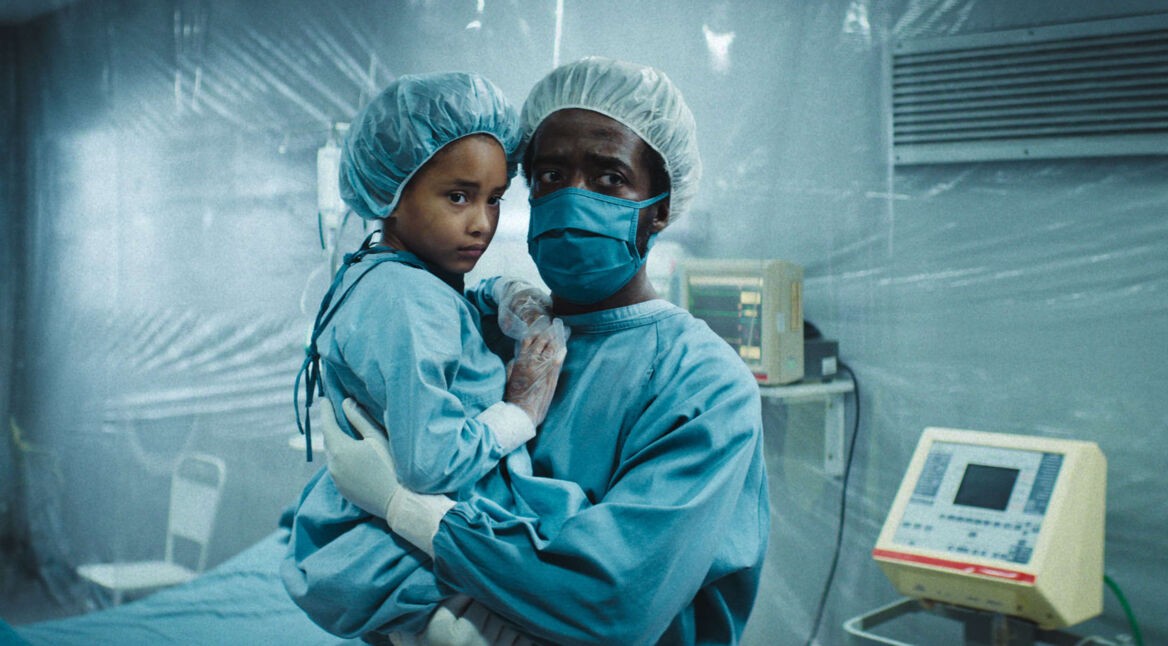
Netflix's latest gripping drama, "Nuklearer Notfall" (titled "Radioactive Emergency" in English markets), plunges viewers into the heart of a terrifying true story. This powerful Brazilian series meticulously unpacks one of the most devastating, yet largely unknown, civilian radiological disasters in history: the Goiânia accident of 1987. At its core lies Cesium-137, an invisible and odorless enemy that transformed a seemingly harmless find into a city-wide nightmare. The show masterfully portrays the panic, the desperate scientific efforts, and the profound human cost when an unseen threat silently infiltrates everyday life. For anyone searching for Nuklearer Notfall Netflix insights, this article delves into the chilling reality that inspired the drama, offering a deeper understanding of the science, the tragedy, and the enduring lessons.
The Unseen Menace: What is Cesium-137 and Why is it So Dangerous?
The catalyst for the entire catastrophe depicted in "Nuklearer Notfall Netflix" is Cesium-137. But what exactly is this substance that caused such widespread panic and illness? Cesium-137 is a radioactive isotope of cesium, a byproduct of nuclear fission. It's not a naturally occurring element but is commonly found in spent nuclear fuel and, critically for the Goiânia incident, in medical equipment like teletherapy machines used for cancer treatment. Its danger lies in several key properties:
- Gamma Emitter: Cesium-137 decays by emitting powerful gamma rays. These rays can penetrate deep into human tissue, causing cellular damage, DNA mutations, and ultimately, radiation sickness and cancer.
- Long Half-Life: With a half-life of approximately 30 years, Cesium-137 remains dangerously radioactive for centuries. This means once an area is contaminated, it poses a long-term threat.
- Chemical Form: In the Goiânia incident, the Cesium-137 was in the form of cesium chloride, a highly soluble salt. This made it easily dispersible as a fine, glowing blue powder, which could be ingested, inhaled, or absorbed through the skin, leading to internal contamination.
- The Allure of the Glow: Perhaps the most insidious aspect, as portrayed in "Nuklearer Notfall Netflix," was the eerie blue luminescence of the Cesium-137 powder. This phenomenon, known as Cherenkov radiation (though technically not the source of the glow in this specific context, the visible light effect was real and dangerous), made the material appear fascinating and even beautiful to those who discovered it, tragically drawing them closer to its deadly embrace.
The series brilliantly captures the terrifying reality of an invisible killer that leaves no sound, no smell, yet leaves a trail of devastation. It highlights how a single, improperly secured medical device could become a weapon of mass contamination, purely due to ignorance and negligence.
From Curiosity to Catastrophe: The Goiânia Accident Unfolds
The true story that forms the backbone of "Nuklearer Notfall Netflix" began innocently enough. In September 1987, two scavengers in Goiânia, Brazil, entered an abandoned radiotherapy clinic. Their goal was to salvage scrap metal. What they found was a lead-lined capsule containing a shiny, intriguing substance. Breaking it open, they were mesmerized by the glowing blue powder inside. This moment marked the genesis of one of the worst radiological accidents in history.
The series, like the actual events, shows how this glowing powder was passed around. Friends and family members were fascinated. Some applied it to their skin, others used it as novelty decoration. Children played with it, unknowingly spreading deadly radioactive particles throughout their homes, neighborhoods, and even across the city. The initial symptoms – nausea, vomiting, dizziness – were dismissed as common illnesses, delaying crucial medical intervention.
The show's episodes vividly dramatize the escalating crisis:
- "Bencana yang Belum Pernah Dilihat Brasil" (A Disaster Brazil Has Never Seen): The initial discovery and the first signs of trouble, as the scavengers realize their "treasure" is causing severe illness.
- "Kapan Kami Bisa Pulang?" (When Can We Go Home?): As news of a mysterious illness spreads, panic grips Goiânia. Families are fractured, and the city faces an invisible enemy. The medical community, initially baffled, begins to piece together the terrifying truth.
- "Kita Minum Air yang Terkontaminasi?" (Are We Drinking Contaminated Water?): Rumors and misinformation about widespread contamination fuel public fear. The series captures the intense skepticism towards medical advice and the desperate pleas for help. This highlights the psychological toll of such an unseen threat.
The narrative arc in Nuklearer Notfall: Brazil's Untold Nuclear Disaster on Netflix powerfully conveys how ordinary human curiosity, combined with a lack of awareness about radioactive materials, can lead to widespread tragedy. The series effectively portrays the harrowing journey from blissful ignorance to terrifying realization, as the invisible danger of Cesium-137 infiltrates every aspect of life.
Behind the Scenes: The Desperate Race Against an Invisible Killer
Once the true nature of the crisis was understood, a desperate race against time began. "Nuklearer Notfall Netflix" places physicists, doctors, and emergency responders at the forefront of this monumental challenge. Their mission: to identify the contaminated areas, contain the spread of Cesium-137, and treat those afflicted by radiation sickness.
The series highlights the immense difficulties faced by these professionals:
- Locating the Source: With no visible or tactile clues, locating the radioactive hotspots required specialized equipment and painstaking, door-to-door searches.
- Containment and Decontamination: The sheer scale of the contamination, spread across multiple urban areas, necessitated unprecedented decontamination efforts. Entire homes and personal belongings had to be destroyed or sealed, creating heartbreaking dilemmas for affected families.
- Medical Treatment: Treating acute radiation syndrome was complex and challenging. Patients suffered from severe internal and external injuries, bone marrow suppression, and psychological trauma. The series shows doctors like Orenstein grappling with unfamiliar symptoms and pioneering treatment methods, often under immense pressure and public scrutiny.
- Ethical Dilemmas: The isolation of patients, the destruction of property, and the difficult choices regarding who could be saved and how, presented profound ethical challenges for everyone involved.
The global community responded with assistance, but the primary burden fell on local heroes. The Netflix series excels in showing the raw human resilience and dedication of these individuals who risked their own health to mitigate the disaster. It brings to light the true heroism and sacrifice made during this invisible war against radiation. For a deeper dive into the series' exploration of this unseen threat, explore The Goiânia Accident: Netflix Series Explores Invisible Radiological Threat.
Lessons Learned: Preventing Future Radiological Nightmares
The Goiânia accident, vividly brought to life in "Nuklearer Notfall Netflix," stands as a stark reminder of the dangers posed by improperly secured radioactive materials. While the initial events were tragic, the disaster also spurred crucial advancements in radiological safety and emergency response worldwide.
Key takeaways and global implications include:
- Strict Regulatory Control: The accident underscored the critical need for stringent international regulations for the storage, transport, and disposal of radioactive sources. Organizations like the International Atomic Energy Agency (IAEA) intensified efforts to track and secure such materials globally.
- Public Awareness and Education: While unlikely for most citizens to encounter a loose radioactive source, the story emphasizes the importance of caution with unknown substances, especially in abandoned or unsecured facilities.
- Emergency Preparedness: The Goiânia incident highlighted deficiencies in emergency response planning for radiological events. It led to improved training protocols, better equipment, and more coordinated national and international responses.
- The Human Element in Disaster: The series, by focusing on the people impacted and the responders, reinforces that even in highly technical disasters, human decisions, emotions, and resilience are central to the narrative.
For viewers, "Nuklearer Notfall Netflix" isn't just a thrilling drama; it's a profound cautionary tale. It encourages vigilance, promotes understanding of invisible threats, and celebrates the extraordinary efforts of those who confront such dangers. The series ensures that the Goiânia accident, once largely unknown outside Brazil, now serves as a global lesson in the critical importance of radiological safety.
The true story behind "Nuklearer Notfall Netflix" is a chilling testament to how quickly an overlooked danger can escalate into a widespread catastrophe. The drama’s powerful depiction of the Cesium-137 incident in Goiânia offers more than just entertainment; it provides a vital educational experience, shedding light on the silent, unseen threats that can emerge from discarded technology. As viewers witness the terror and resilience of those affected, the series serves as a crucial reminder of the continuous need for vigilance, stringent safety protocols, and a deeper understanding of the world around us. The legacy of Goiânia, immortalized in this compelling Netflix series, is a stark warning that must never be forgotten.